
BTE Newsletter #47: How Data, Fees, and Financial Planning Remain Roadblocks for Private Markets

Good morning everyone, Happy Tuesday once again. As a Ravens fan, I’m still recovering from the Ravens/Cowboys game on Sunday. I think I suffered three heart attacks, but it was all worth it to see the Ravens win at the end.
And welcome to the new platform. I’m hoping most of you either don’t notice a difference or don’t care.
There are a couple of small changes, one of which is related to the podcast. On the previous site/platform, you had to be a newsletter subscriber to download a transcript, and that is no longer the case (anyone can download a transcript here). The second change is related to the newsletter itself: I will only keep about half a dozen archived issues on the site. Previously, website visitors were able to see all of them.
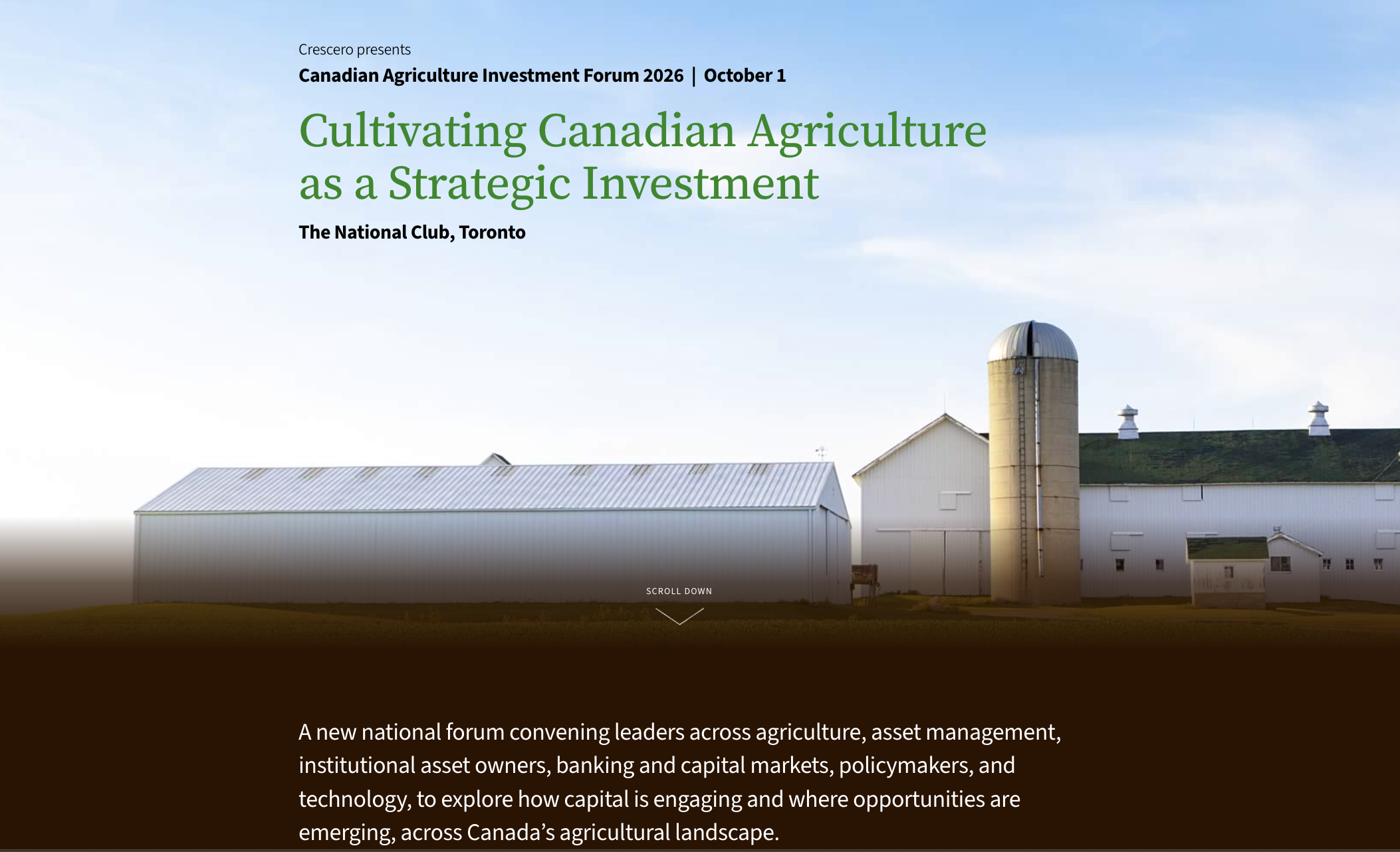
In other news, on Thursday I’ll be going to the Canadian Agriculture Investment Forum hosted by Crescero Natural Capital. If any of you are going, I look forward to seeing you there.
Ben
The Roadblocks Remaining For Individuals Investing In Private Markets
While Private Market investments are now broadly available to individual investors, it’s important to remember the industry didn’t grow up this way. Asset managers such as Blackstone, Brookfield, Apollo and KKR grew up by targeting institutions, which meant getting very large investment commitments at a time.
This approach meant each client could get a bespoke arrangement, complete with a lengthy contract. It meant sales forces were organized around courting the largest clients. The drawdown fund structure, which is very cumbersome for individual investors, ruled the day.
But the business model is very different when targeting financial advisors and their clients. Fund structures, technology, sales forces, marketing initiatives, and regulation have all evolved to aid these efforts. But in many ways, offering Private Markets investments to individuals is still like fitting a square peg into a round hole. Below I take a look at three ways this is the case.
Data: There’s less available, and it’s harder to use
If someone is looking to build a portfolio with individual stocks, the information available is immense. Numerous websites offer basic information on every traded security, such as their ticker, stock price, a chart, and so on. The same could be said for mutual funds, with Morningstar offering a comprehensive database, complete with immense data to help investors know what’s available.
In the world of Private Markets, there are multiple information providers that seek to fill this role, such as Preqin (acquired by BlackRock), Pitchbook (acquired by Morningstar) and MSCI.
But these offerings primarily cater to institutional investors, and it’s a very different story for the Evergreen funds that individuals invest in, particularly in Canada. There are a number of facets to this:
No one comprehensive database:
As someone who uses Private Markets extensively, I can confirm there is no central repository with all the funds listed. So even understanding what Evergreen funds are available in Canada is an ongoing process, and requires constantly talking to a wide range of people.
One firm that’s determined to solve this problem is Obsiido. The firm is primarily known for its fund-of-funds offering (their CIO appeared on the BTE Podcast), but they are looking to create a database of Evergreen funds available in Canada through their AxsPro offering.
This is a problem which I expect to be solved over time, but for now this is certainly a work in progress.
A lack of transparency and standardization:
Before investing in a traditional mutual fund, one can dig quite deep on each fund. All the holdings are available to see, and firms such as Morningstar can perform all sorts of analysis on the portfolio. Perhaps the best-known of these analyses is the “Style Box”, which plots a fund’s investment approach based on size (average market capitalization of portfolio holdings) and style (value versus growth).
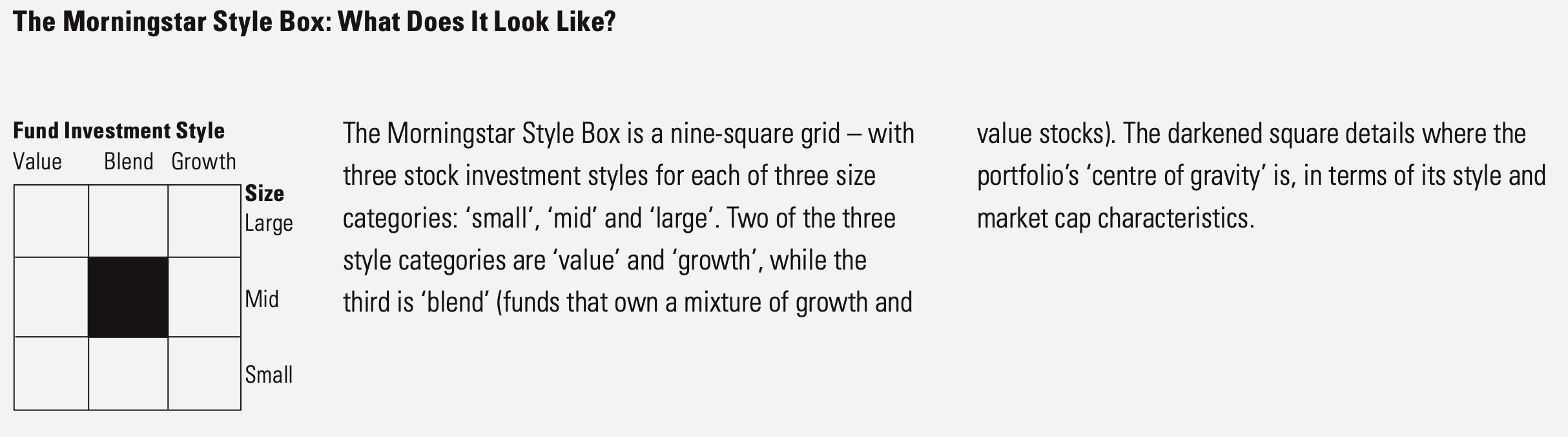
Source: Morningstar.com
But in Private Markets, there’s not that same level of transparency on portfolio holdings, how the assets are valued, what their growth rates are, or other information that could be used to build a Private Markets Style Box. And even if that information were provided, different funds may measure these statistics in different ways, and there’s no financial exchange to provide that extra level of transparency.
A lot of nuances:
In traditional markets, investments are relatively easy to categorize. For instance stocks have a Global Industry Classification Standard (GICS), which tells you what industry a company is in. Mutual funds are also quite easily categorized into different strategies.
In Private Markets, it’s not the same. Most people (including me) categorize the investments available into four broad strategies: Private Equity, Private Real Estate, Private Credit, and Private Infrastructure. But within each of those strategies, there are different asset classes with different risk/return metrics. And although most funds break out their portfolio’s industry weights/exposures, these industries may be categorized in different ways depending on the fund.
The same can be said for fund terms. There are differences in liquidity features, and fee calculations, and lockups, and taxation. Even the subscription documents can be quite different from firm to firm, underscoring how in many ways, the industry is still figuring out what standards to use.
Fees: A lot of fine print
When it comes to fees in Private Markets, there’s one thing we can count on: they are higher than in Public Markets. That’s quite understandable; it’s a lot harder to complete a Private Equity deal than it is to buy a stock off of a computer screen.
But fee calculations can also get quite complicated, starting with performance fees. These are present in practically every fund, but how they are calculated can differ widely. Some funds (such as fund-of-funds) hold investments that have their own underlying fees attached. Some funds (so-called feeder funds) have been created just to invest in a fund domiciled elsewhere, which adds another fee layer.
So if an investor wants to calculate the total cost of their investments, good luck. And that’s not a trivial matter either. This is the goal of “CRM 3” reforms, which mandates that investors see the the total cost of their investments, including advisory fees AND product fees. But CRM 3 excludes Private Markets funds from the total cost calculation.
There is a desire to include Private Markets in CRM 3 in the future. But it isn’t going to be easy.
Financial Planning: A lack of standards
When building financial plans, certain assumptions have to be made about investment returns. And FP Canada sets standards for these assumptions, thus giving advisors a consistent, defensible starting point, rather than requiring them to develop return assumptions on their own.
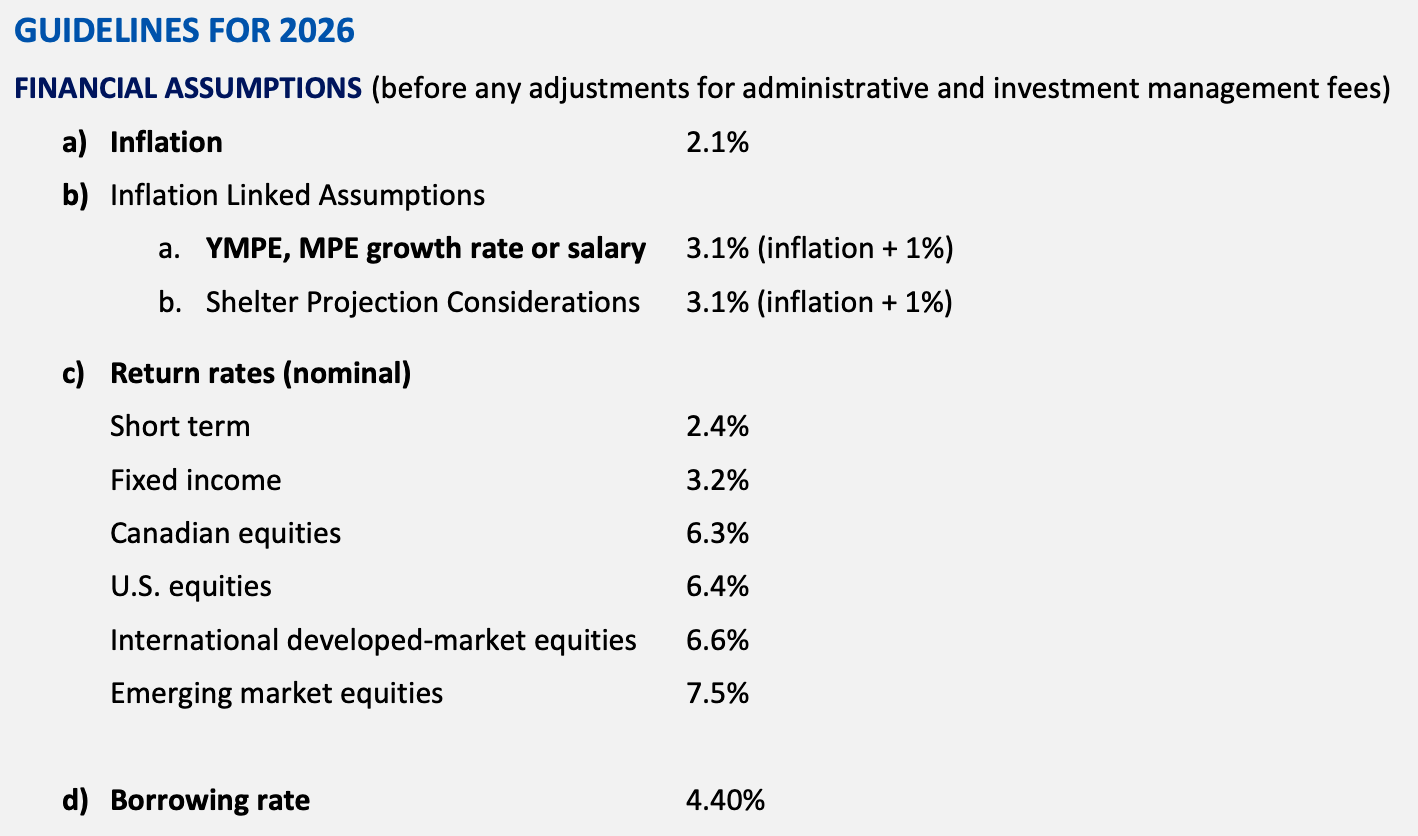
FP Canada guidelines
But there are no standards for alternative investments, including Private Markets. And why would there be? There are so many different strategies within Private Markets, each with their own risk and return characteristics, so coming up with proper standards for each of them is impractical, if not impossible.
However, this places the burden back on the advisor. In my case, I use a return assumption similar to public equities for Private Markets. I see this as sufficiently conservative, considering that return targets for these funds are almost always higher than the assumed return figures for public equities. Yet this is obviously not the same as having reliable standards for every advisor to follow.
Conclusion: Still Some Things To Figure Out
I’m not arguing that Private Markets should be just as easy to buy as traditional investments. Private strategies are inherently less liquid, less transparent, and more complex, so there should be certain speed bumps (such as filling out subscription documents) that can help prevent the wrong people from becoming investors.
But issues related to data, fees and financial planning are different, and the industry will be in a much better place when these challenges are more properly addressed. In the meantime, I still believe Private Markets can be very helpful for an investment portfolio (depending on client suitability of course), but there’s no denying some growing pains remain.
Want to find out more?
Private markets are not for everyone, and come with a number of risks, such as higher illiquidity and less transparency.
However, many of the world’s leading institutions and wealthiest families put a big emphasis on private markets, and recently these strategies have become more available to individuals too. Drawing on my background as an analyst specializing in private markets, I help investors cut through the complexity and understand how to build portfolios incorporating these strategies.
To explore whether these strategies are suitable for you, please schedule a 30-minute virtual meeting below:
Disclaimer
Benjamin Sinclair is a representative of Designed Securities Ltd. Designed Securities Ltd. is regulated by the Canadian Investment Regulatory Organization (ciro.ca) and is a Member of the Canadian Investor Protection Fund (cipf.ca). Investment products are provided by Designed Securities Ltd. and include, but are not limited to, mutual funds, stocks, and bonds. Benjamin Sinclair is registered to provide advice and solutions to clients residing in the province of Ontario. For more information, please see www.beyondtheexchange.ca/disclaimer/