BTE Newsletter #21: This One's All About Me
Good morning everyone,
Growing up, I loved March Break. The idea of getting a week off school, without even an official holiday, seemed like a gift from the heavens. I'm not sure my parents were so keen on the idea. Now that I am a parent, I can confirm: March Break, which occurred last week (for those of you without school-age kids) seems to exist solely to throw off family routines.
Don't get me wrong, I treasure time with my family. But I find family time to be so much better when it occurs by choice, not when it's thrust upon me. Making matters worse, the previous week I was fighting off an illness. So now I feel I've fallen behind on practically everything, especially when it comes to finding alternative investing news to comment on for this newsletter.
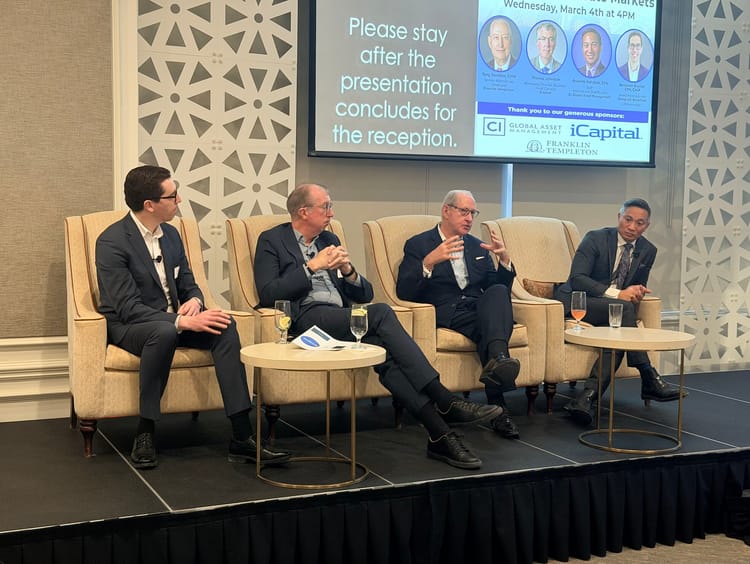
Fortunately, there are lots of things to talk about closer to home. I got two more articles published last week, bringing the total this year to three. I also got on another panel (the same day of this newsletter's release), after moderating a panel at a CAIA event in early March.
In addition, I've been recording podcast episodes throughout the month, the latest one being on Friday. I now have three episodes in the queue, waiting to go through approvals before being uploaded. Like I said, I've fallen behind.
Long story short, I have a few things to talk about. But instead of covering what's in the news, I'll be sharing updates on what I've personally been up to. So please enjoy the most self-centred issue of the Beyond The Exchange newsletter yet.
Ben
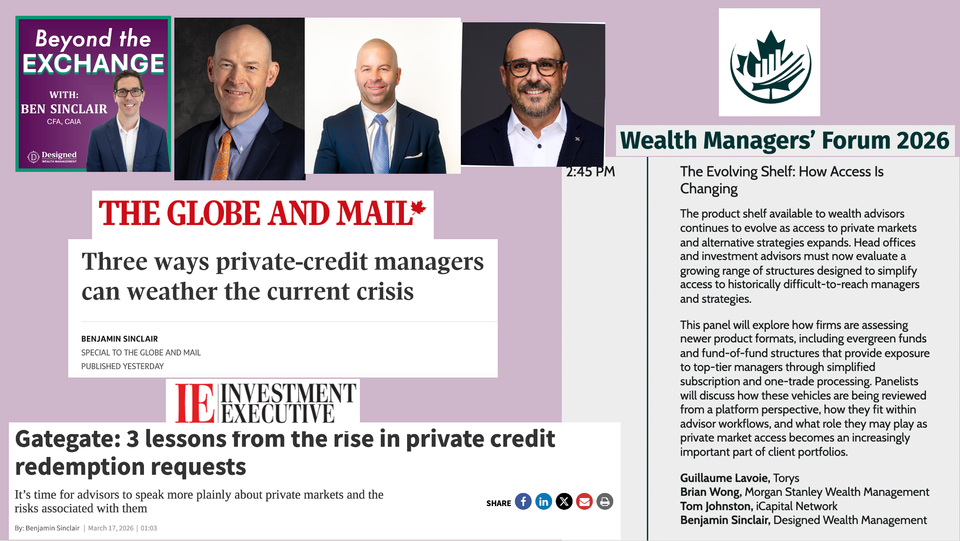
The CAASA Wealth Managers' Forum
For those of you unaware of the Canadian Association of Alternative Strategies & Assets (CAASA), it is a trade association representing the alternative investment industry with more than 400 members, primarily alternative investment managers but also institutional investors, wealth managers and service providers. It was founded in 2018 by James Burron, and hosts multiple conferences, charity events, and socials each year.
One of my favourite annual events is the Wealth Managers' Forum, which this year is today, Tuesday March 24th.
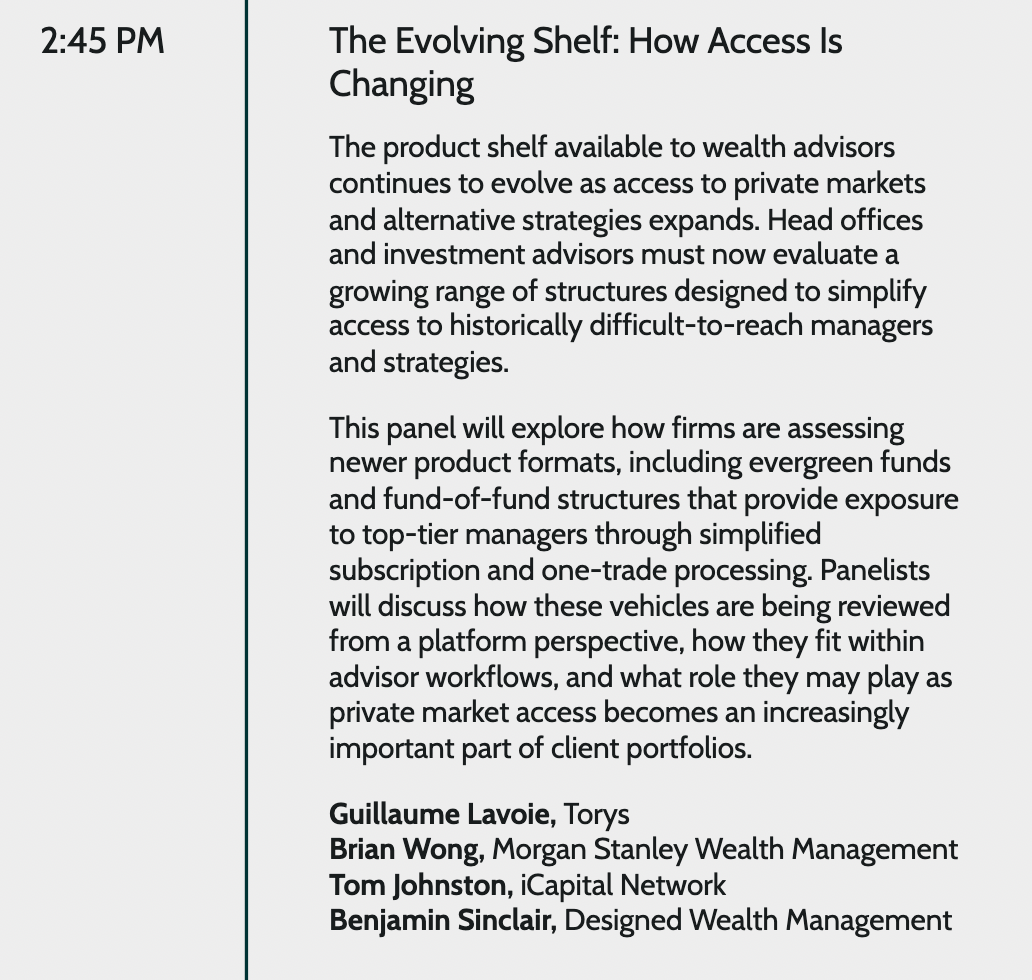
For this year's event, I was invited to speak on a panel at 2:45pm with Tom Johnston of iCapital (who was also on the panel with me at the CAIA event), Guillaume Lavoie from Torys, and Brian Wong from Morgan Stanley. So if anyone is going to this event, I'll see you there. And if anyone wants to make some last-minute plans, the event is at the Toronto Board of Trade at 100 Queens Quay East.
Lessons From "Gategate"
With redemption requests skyrocketing for private credit funds in the United States, I wrote about some of my takeaways in last week's newsletter. I then wrote an op-ed for Investment Executive on the subject, outlining three lessons for the industry. To summarize, these lessons are:
- Investors need to be comfortable with gating. With so many investors rushing for the exits based on the fear of gating, it's clear that at least some people went into private markets funds uncomfortable with the idea of their money locked up. The industry thus needs to do better setting proper expectations up front, and make it clear that private markets are meant to be a long-term investment.
- Low volatility does not equal low risk. In marketing materials for many private markets funds, they tout their risk-adjusted returns, where risk is measured by volatility. But in funds where the asset values are determined by the manager, volatility means a lot less, and that's especially pertinent when a fund gates and those asset values are unavailable to investors who want to cash out.
- It's time to dump the "semi-liquid label". This is a term that should never have been invented. When funds describe themselves as "semi-liquid", that implies at least some liquidity all the time. In reality, liquidity can suddenly dry up.
My First Op-Ed in The Globe And Mail
With the surge in private credit redemptions, I also see some actions that fund managers can take, and I wrote my first op-ed for the Globe and Mail on the subject.
Again, this was a list of three:
- Don't be shy about restricting redemptions (gating). In a way, with so many managers gating, they are providing cover for each other. So the stigma of gating is not what it once was, and managers should take advantage of that if it's in the best interest of the fund.
- Be opportunistic investors. Not every manager has the capital do this, but a poor fundraising environment can lead to excellent investment opportunities, either by deploying into a less crowded market or by buying assets in the secondary market.
- Improve the messaging. This is related to lesson #1 from the Investment Executive article. The messaging around these funds needs to improve, and the fund managers need to be part of the solution.
Podcast Update
The Beyond The Exchange still only has 8 episodes uploaded, but I have recorded the next three, and I will gradually upload them over the next few weeks. Below are the guests you can expect to see:
Episode 9: Jay Simmons
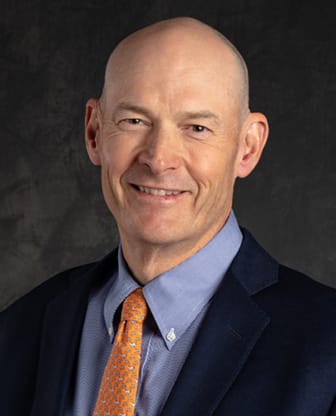
Jay Simmons is the founder, chairman, and CEO of Durum Capital, a Calgary-based alternative asset manager with investments in land development, industrial real estate, carbon markets, energy, and an industry-agnostic Opportunity Fund.
Episode 10: Julian Klymochko
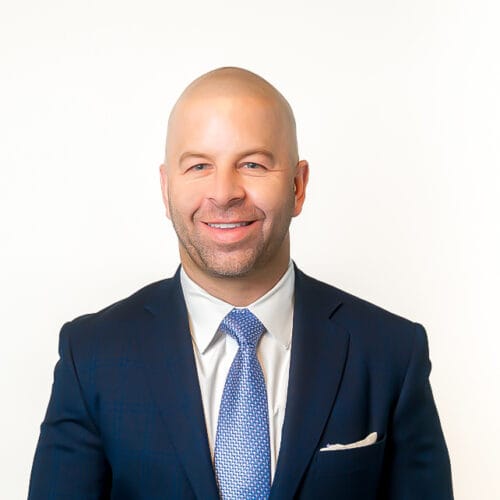
Julian Klymochko is the founder and CEO at Accelerate Financial Technologies, a leading provider of alternative investment solutions through listed vehicles, with strategies ranging from long-short equity, absolute return, multi-asset, alternative income, and private credit.
Episode 11: Ralph Desando
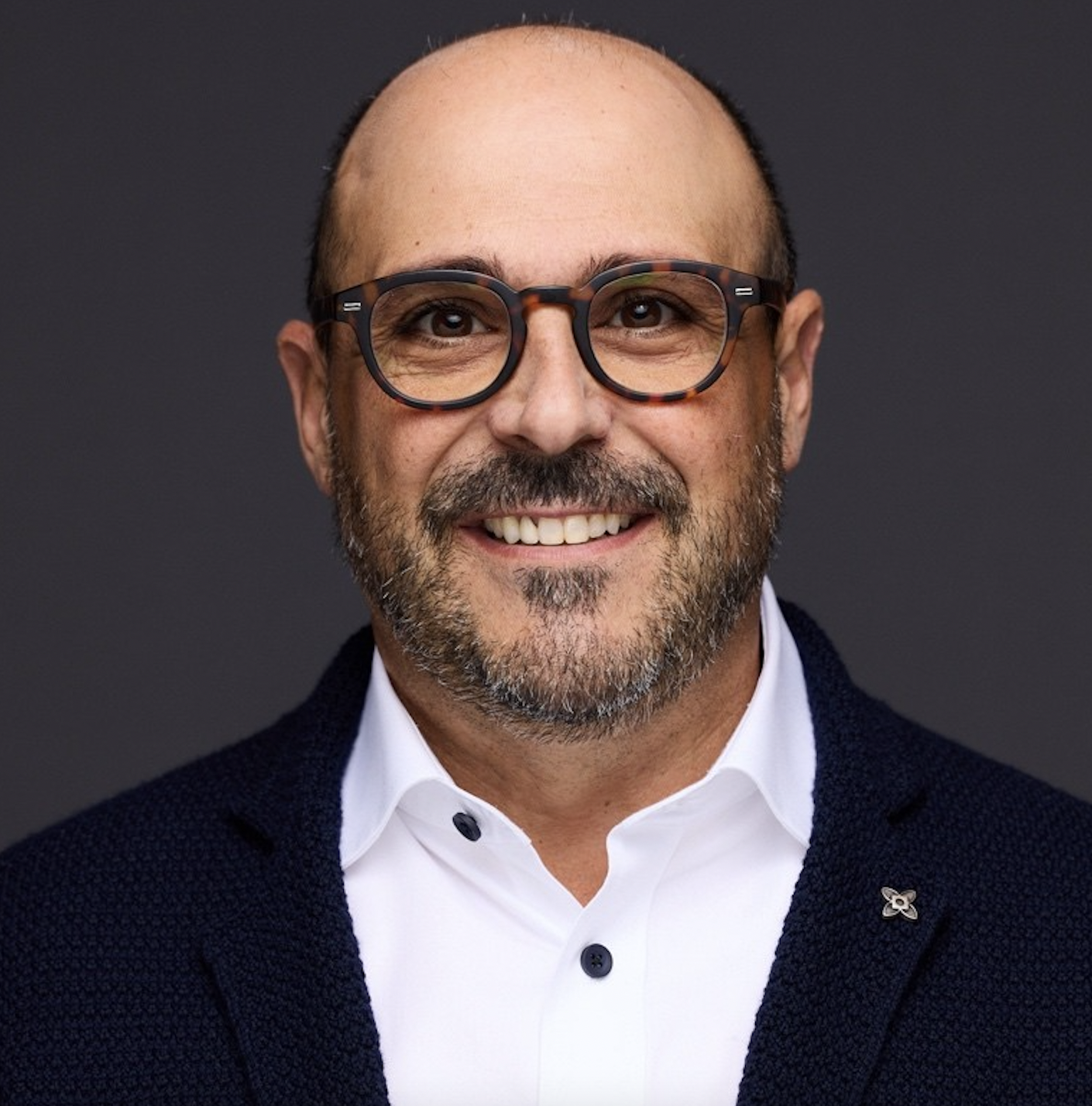
Ralph Desando is deputy CEO at Yorkville Asset Management. Ralph joined Yorkville at its inception in 2010, and has led the growth of the firm’s Health Care Fund into one of Canada’s leading health care investment platforms.
Want to find out more?
Private markets are not for everyone, and come with a number of risks, such as higher illiquidity and less transparency.
However, many of the world’s leading institutions and wealthiest families put a big emphasis on private markets, and recently these strategies have become more available to individuals too. Drawing on my background as an analyst specializing in private markets, I help investors cut through the complexity and understand how to build portfolios incorporating these strategies.
To explore whether these strategies are suitable for you, please schedule a 30-minute virtual meeting below:

Email
|

Phone
|

LinkedIn
|

Apple
|

Spotify
|
Disclaimer
Benjamin Sinclair is a representative of Designed Securities Ltd. Designed Securities Ltd. is regulated by the Canadian Investment Regulatory Organization (ciro.ca) and is a Member of the Canadian Investor Protection Fund (cipf.ca). Investment products are provided by Designed Securities Ltd. and include, but are not limited to, mutual funds, stocks, and bonds. Benjamin Sinclair is registered to provide advice and solutions to clients residing in the province of Ontario. For more information, please see www.beyondtheexchange.ca/disclaimer/